Why DIY Painting is Perfect for Fallon Homeowners in 2026
Painting your home is one of the most transformative DIY projects you can undertake. Whether you're looking to refresh a room or give your entire home a new look, painting offers a cost-effective way to achieve dramatic results. As we move through 2026, many Fallon homeowners are embracing DIY projects not only to personalize their spaces but also to save on labor costs. This guide will provide you with beginner-friendly tips to help you start your painting journey with confidence.
Essential Tools for Your DIY Painting Project
Before you dip your brush into the paint, it's crucial to assemble the right tools. Here’s a checklist of must-have items for any DIY painter:
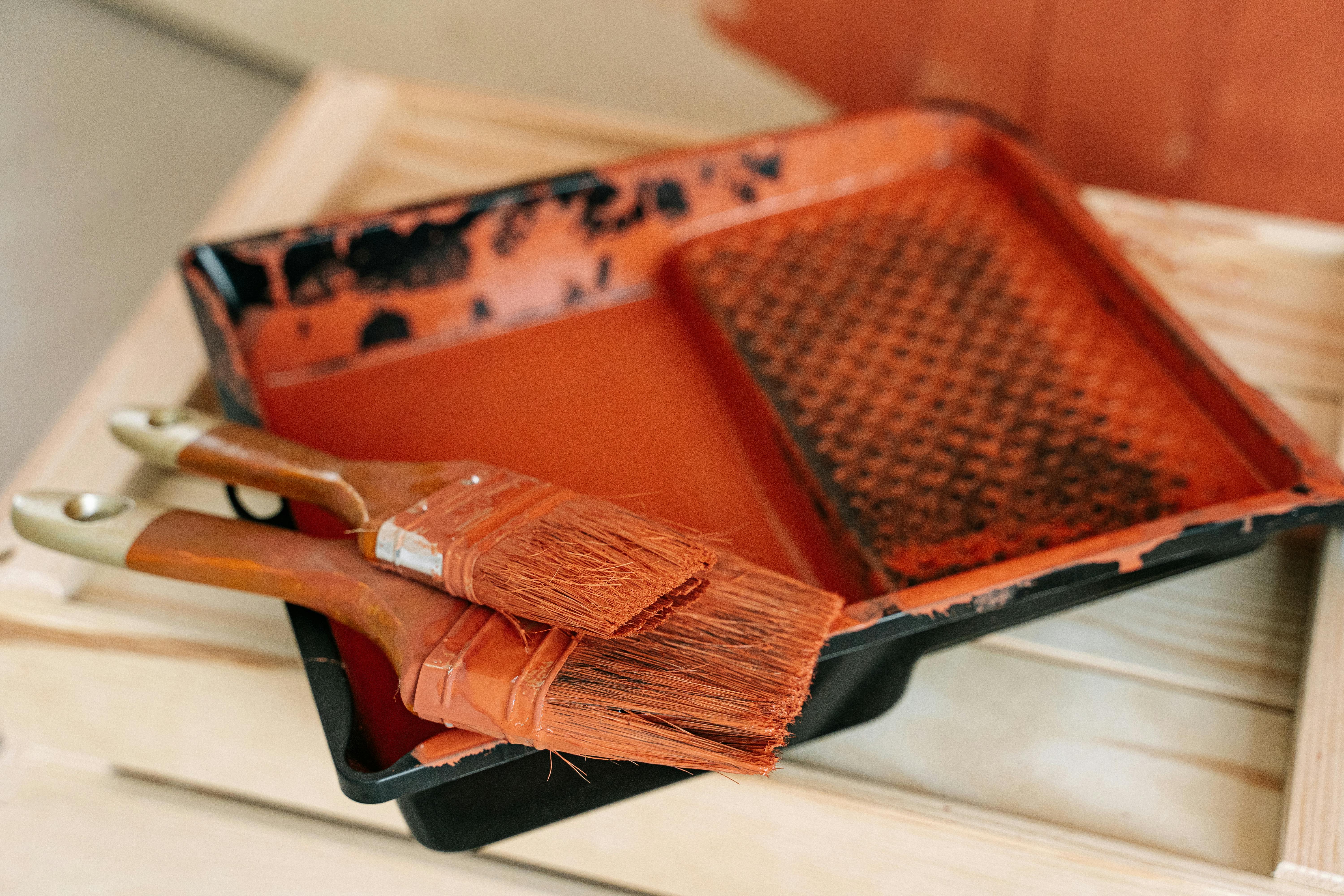
- Paint Brushes and Rollers: Invest in high-quality brushes and rollers to ensure even application and a smooth finish.
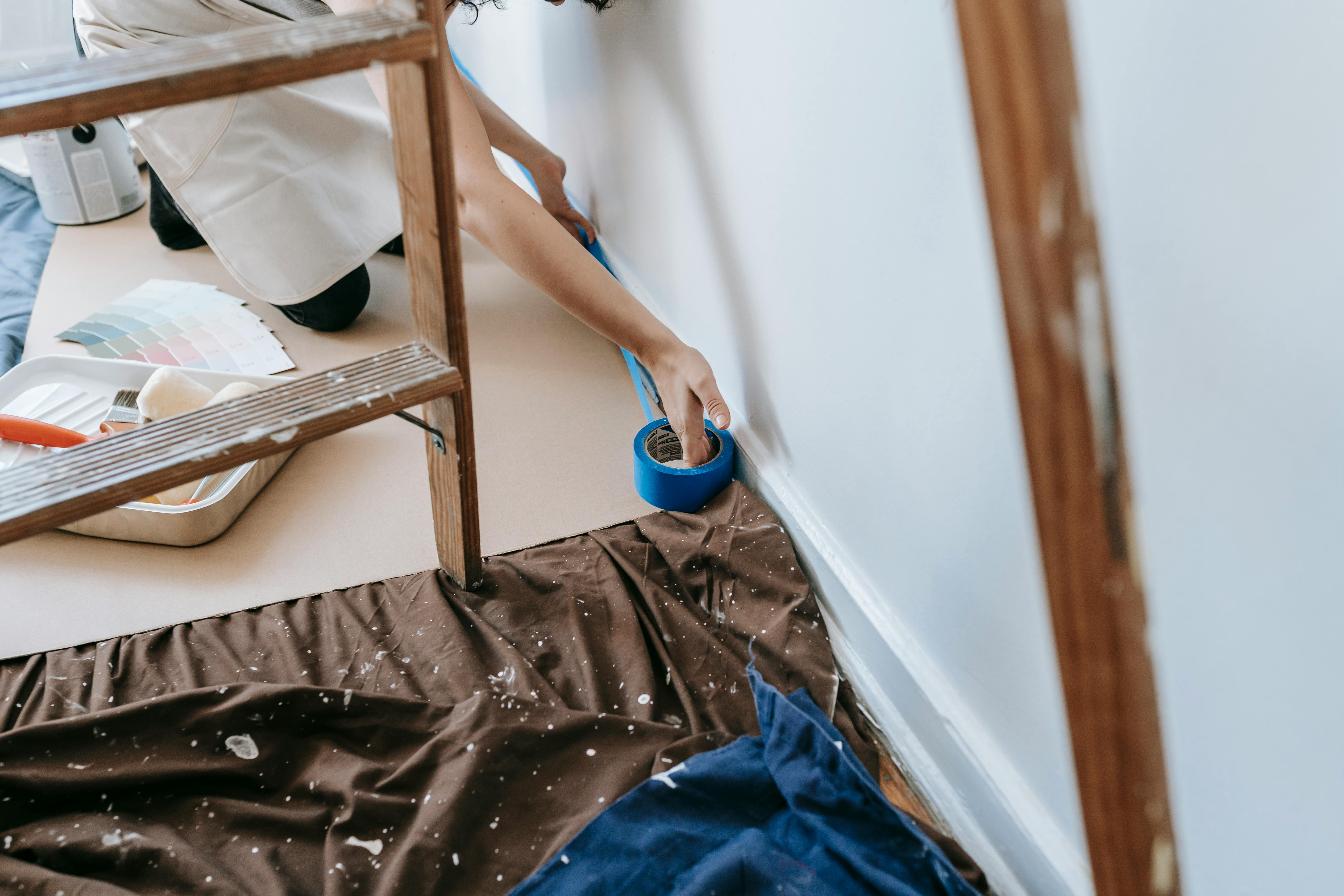
- Painter's Tape: Essential for protecting trim, baseboards, and windows from unwanted drips and splatters.
- Drop Cloths: Use these to protect floors and furniture from paint spills.
- Paint Trays: Handy for holding paint and allowing for easy access while painting.
- Sandpaper or Sanding Blocks: Helps to smooth surfaces before painting for better adhesion.
- Putty Knife: Use this to fill holes or cracks in walls before painting.
- Primer: Prepares surfaces for painting, ensuring the paint adheres well and lasts longer.
Step-by-Step Guide to Painting a Room
Follow these steps to ensure a professional-looking paint job:
1. Prepare the Room
Begin by removing or covering furniture and laying down drop cloths. Use painter's tape to protect areas you don't want to paint, such as trim and windows. Clean the walls with a damp cloth to remove dust and debris.
2. Repair and Prime
Inspect the walls for any holes or cracks and fill them with spackle using a putty knife. Once dry, sand the areas smooth. Apply a coat of primer to ensure the paint adheres properly and to cover any patched areas.
3. Cutting In
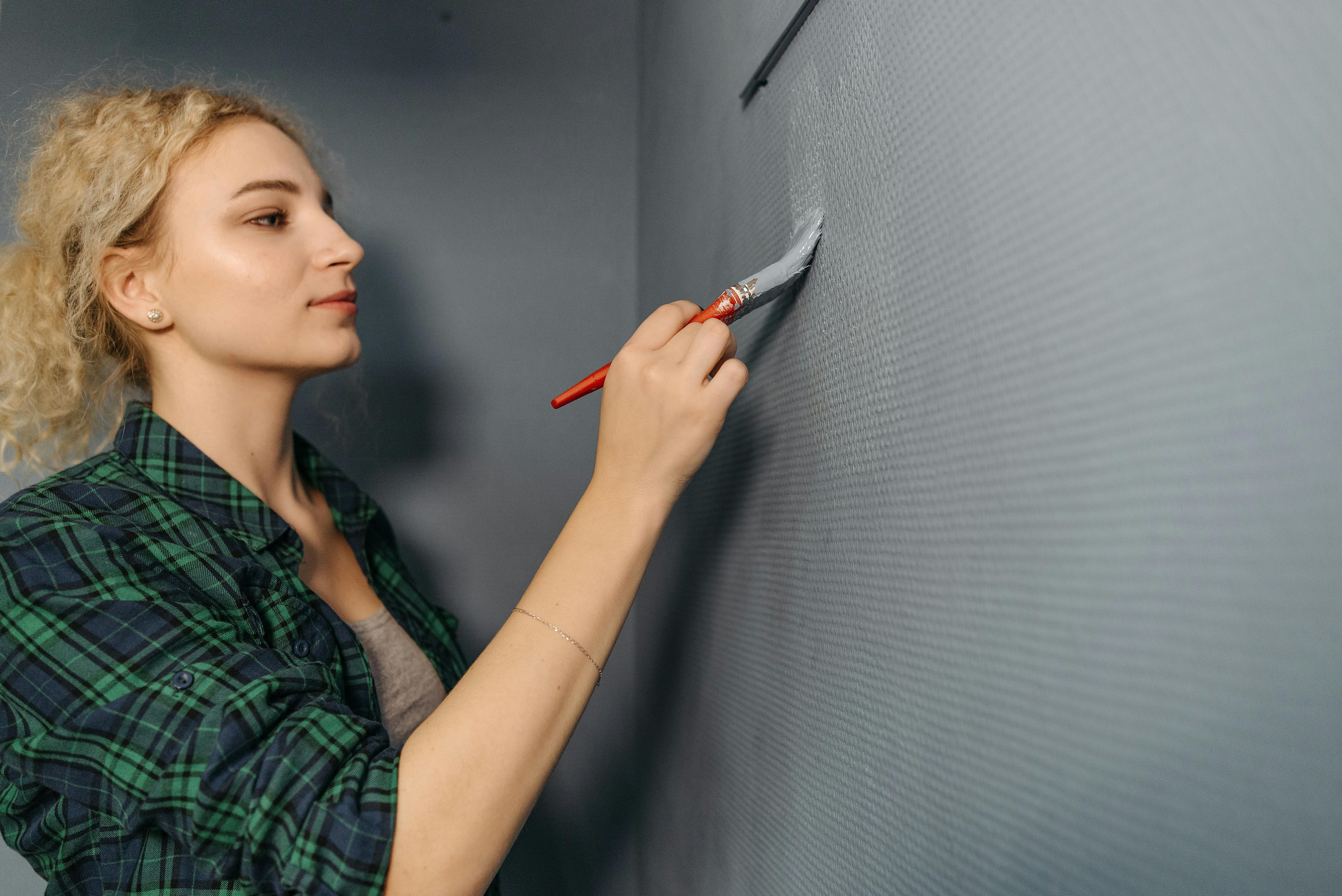
Using a brush, paint a 2 to 3-inch border along the ceiling, baseboards, and corners. This process, known as cutting in, ensures that these areas get covered without the roller accidentally touching unwanted surfaces.
4. Rolling the Walls
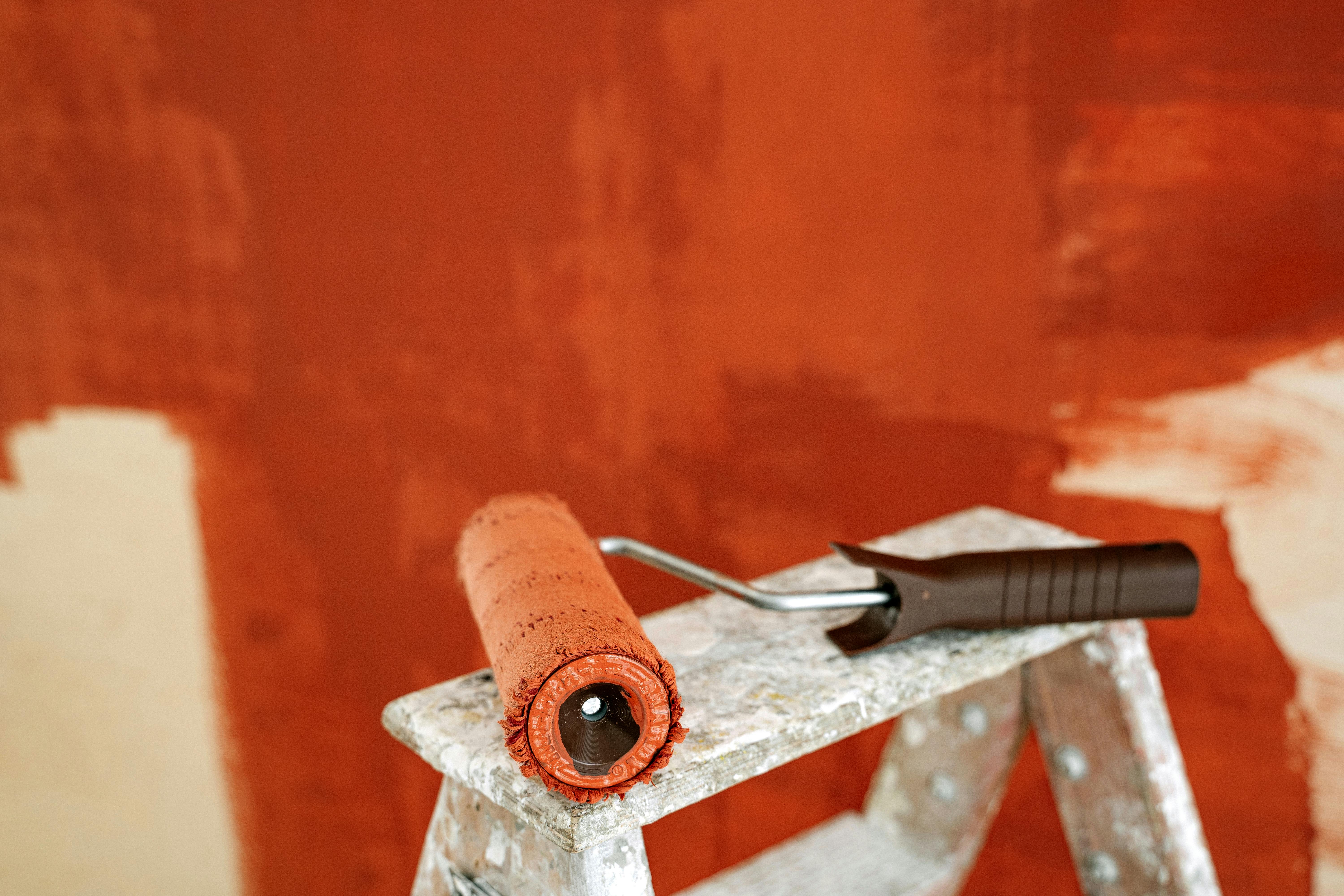
Pour paint into a tray and load the roller evenly. Starting at the top of the wall, roll the paint down in a W-pattern to evenly distribute the paint. Overlap each stroke slightly to avoid streaks.
5. Apply a Second Coat
Once the first coat is dry, inspect your work. A second coat may be necessary to ensure full coverage and a vibrant finish. Repeat the cutting in and rolling steps.
6. Clean Up
Carefully remove the painter's tape while the paint is still slightly tacky to avoid pulling paint off with it. Clean your brushes and rollers with the appropriate solvent for the type of paint used. Dispose of used drop cloths or wash them if reusable.
Choosing the Right Colors for Your Fallon Home
Color choice can significantly impact the mood and aesthetics of a room. Here are a few tips to help you choose the perfect colors:
- Consider Natural Light: Rooms with ample natural light can handle bolder colors, while darker spaces may benefit from lighter tones to brighten them up.
- Complement Your Decor: Choose colors that complement your existing furniture and decor to create a cohesive look.
- Test Before You Commit: Purchase sample sizes and paint small sections of your wall to observe how the color looks at different times of the day.
Common DIY Painting Mistakes and How to Avoid Them
Even with the best intentions, mistakes can happen. Here are some common pitfalls and how to avoid them:
- Skipping the Primer: Always use primer, particularly on new drywall or high-gloss surfaces, to ensure the paint adheres properly.
- Using Low-Quality Tools: Cheap brushes and rollers can leave streaks and bristles in the paint. Invest in quality tools for the best results.
- Ignoring the Weather: Avoid painting on very humid or rainy days, as moisture can affect drying times and final finishes.
- Not Allowing Proper Drying Time: Rushing the process by not allowing each coat to dry fully can lead to peeling or uneven finishes.
When to Call a Professional
Sometimes, a DIY project can become overwhelming, or you may encounter issues that require expert attention. Consider hiring a professional painter if:
- The project involves high ceilings or hard-to-reach areas.
- You're working with intricate details or patterns that require a steady hand.
- You lack the time or resources to complete the project to your satisfaction.
Oasis Painting and Handyman is here to help Fallon homeowners with any painting needs, big or small. Our experienced team can provide the expertise and attention to detail necessary for a flawless finish.
Conclusion
Embarking on a DIY painting project can be a rewarding experience, allowing you to express your creativity and improve your home's aesthetics. By following these beginner-friendly tips, you'll be well on your way to achieving professional-looking results. Remember, whether you decide to tackle the project yourself or call in the experts, Oasis Painting and Handyman is here to support your journey in creating the perfect space.